Advertisement


The digestive wellness revolution has reached new heights in 2025, with gut-friendly snack trends leading the charge toward better overall health through improved microbiome support. From innovative kombucha-infused chips to probiotic granola bars, these gut-friendly snack trends represent a fundamental shift in how we approach snacking and digestive health. Smart consumers are discovering that the right snack choices can significantly impact their gut microbiome, energy levels, and overall wellbeing.
The Science Behind Gut-Friendly Snack Trends 2025
Understanding the microbiome has revolutionized nutrition science, making gut-friendly snack trends more than just marketing buzzwords. Gut health in 2025 is evolving with precision probiotics, synbiotics, microbiome-focused wellness, and functional foods, shaping the future of digestive health through targeted nutritional approaches.
The most effective gut-friendly snack trends focus on supporting beneficial bacteria while providing prebiotic fiber to nourish the existing microbiome. Naturally fermented foods have been getting the attention of health experts because they contain beneficial probiotics that may help strengthen your gut biome — the bacteria and microorganisms in your digestive tract.
Modern gut-friendly snack trends also emphasize the synbiotic approach, combining probiotics with prebiotics to create optimal conditions for digestive wellness and immune system support throughout daily snacking patterns.
Fermented Food Revolution in Gut-Friendly Snack Trends
Fermented foods have become the cornerstone of modern gut-friendly snack trends, offering natural probiotic benefits through traditional preparation methods that preserve beneficial bacteria.
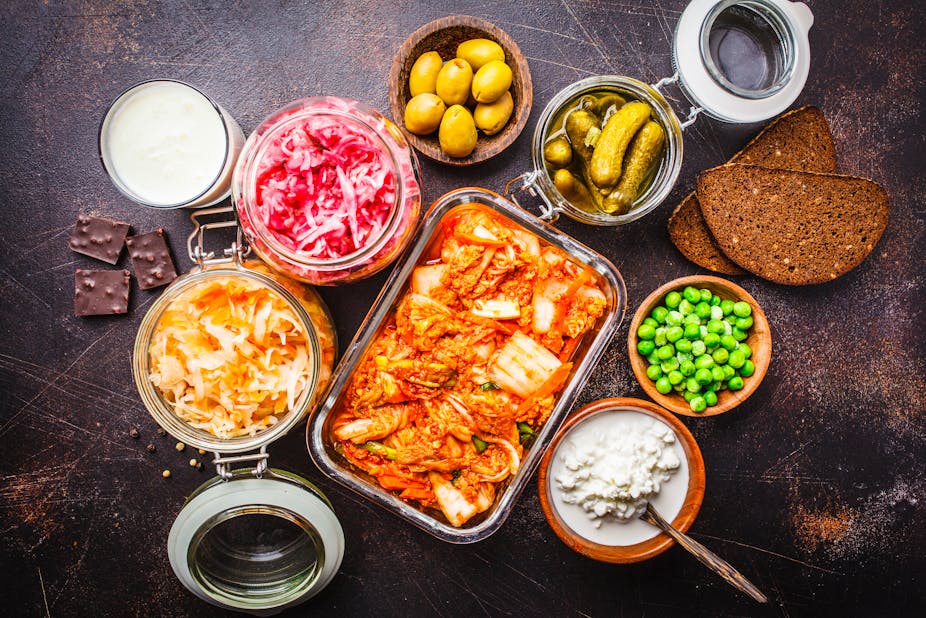
Kombucha and Fermented Beverage Snacks Fermented foods and fermented beverages, including pickles, sauerkraut, kimchi, miso, yogurt, aged cheese, and kombucha, are very popular in current nutrition trends. These innovative gut-friendly snack trends include kombucha-infused chips and fermented beverage concentrates that provide probiotics in convenient formats.
Traditional Fermented Snacks The probiotics in fermented foods have been associated with improved digestion and immunity, weight loss, and more. If you incorporate them into your daily eating habits, they may also help with your overall health, making fermented options central to gut-friendly snack trends.
Modern Fermented Innovations Companies are creating entirely new categories within gut-friendly snack trends by combining traditional fermentation with modern flavors and convenient packaging that appeals to busy consumers seeking digestive wellness.
Prebiotic-Powered Gut-Friendly Snack Trends
Prebiotic ingredients have gained significant attention in gut-friendly snack trends because they feed beneficial bacteria already present in the digestive system, creating optimal conditions for microbiome health.
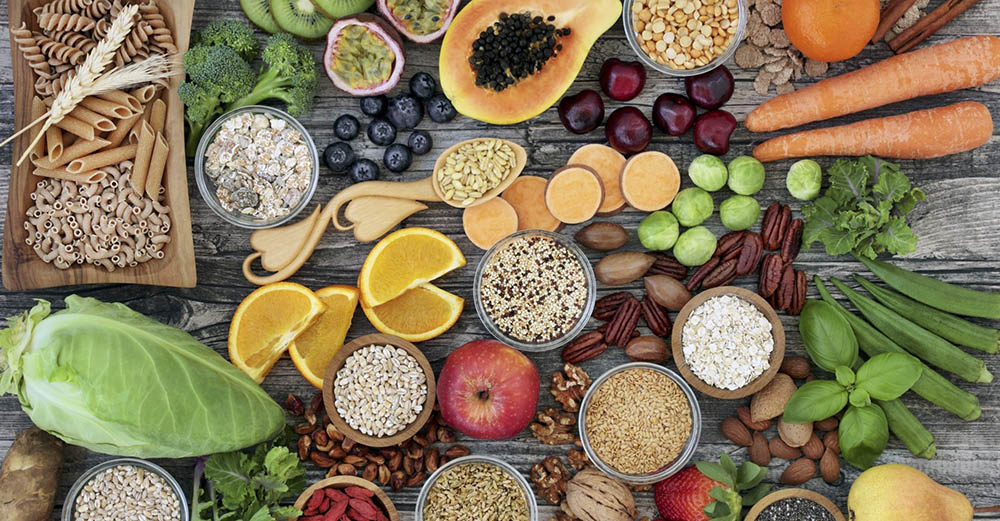
Fiber-Rich Prebiotic Sources Prebiotics can be found in a multitude of foods, including almonds, bananas, wholegrain wheat, corn, rye and barley, and flaxseeds, making these ingredients popular in gut-friendly snack trends that emphasize natural fiber sources.
Inulin and Advanced Prebiotics Prebiotics are most widely used in cereal bars to help replace sugar and fat while adding fiber and moisture properties. Inulin is the top prebiotic in sports nutrition, followed by polydextrose, demonstrating how gut-friendly snack trends incorporate functional ingredients.
Asparagus and Vegetable-Based Prebiotics Asparagus is one of the most prebiotic-rich foods you can eat. These veggies are packed with beneficial phytochemicals like xylose, inulin, flavonoids, fructans, and saponins, inspiring vegetable-based gut-friendly snack trends.
For a deeper dive into planning sustainable snack routines, explore this detailed resource on low-carb snacks for weight loss 2025.
Probiotic Innovation in Gut-Friendly Snack Trends
Live beneficial bacteria have been incorporated into diverse snack formats, creating gut-friendly snack trends that deliver active probiotics in shelf-stable, convenient forms.
Yogurt-Based Probiotic Snacks Regularly eating fermented probiotic foods — such as yogurt, kefir, sauerkraut, and miso — may positively affect your health, leading to yogurt-based gut-friendly snack trends that provide probiotics in portable formats.
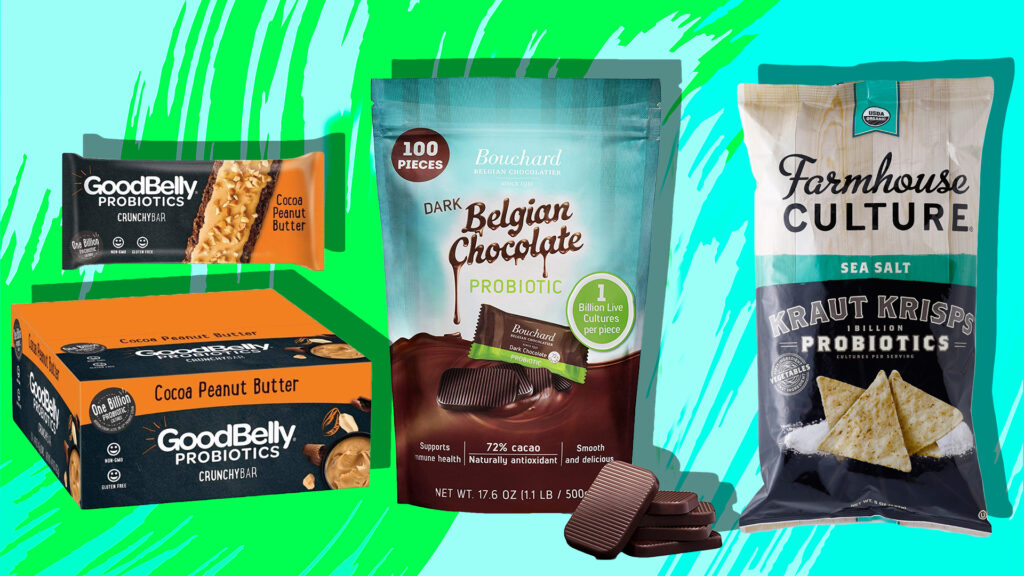
Probiotic Granola and Bars These gut-friendly snack trends feature specialized probiotic strains that survive manufacturing processes and provide benefits when consumed, representing significant technological advances in functional snacking.
Innovative Probiotic Delivery Systems Advanced encapsulation technologies enable probiotic inclusion in previously impossible formats, expanding gut-friendly snack trends to include chips, crackers, and other traditionally probiotic-free categories.
Plant-Based Gut-Friendly Snack Trends
The intersection of plant-based eating and digestive wellness has created innovative gut-friendly snack trends that support both environmental sustainability and microbiome health.
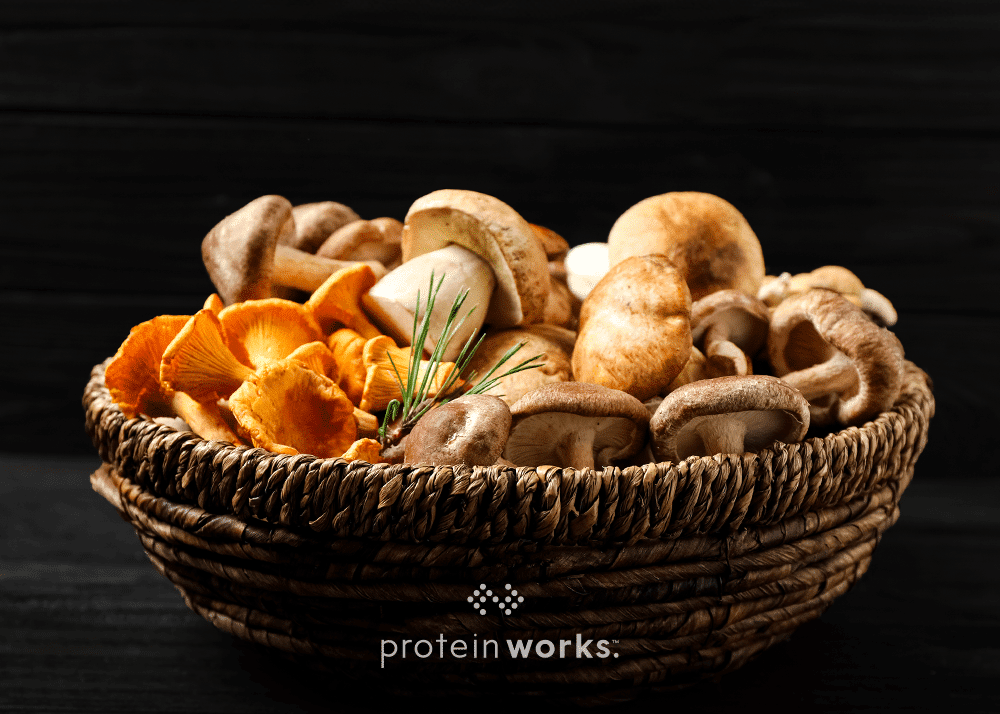
Mushroom-Based Gut Support Mushrooms have gained popularity in gut-friendly snack trends due to their prebiotic properties and unique nutritional profiles that support beneficial bacteria growth while providing umami flavors consumers love.
Kelp and Seaweed Integration Kelp snack products include dried seaweed and kelp pickles. It is also used in salsas, sauces, and seasonings, demonstrating how marine vegetables contribute to gut-friendly snack trends with unique mineral profiles.
Diverse Plant Fiber Sources Complex plant fibers from various sources create gut-friendly snack trends that provide diverse prebiotic benefits, supporting different beneficial bacteria strains for comprehensive digestive wellness.
Clean Label Gut-Friendly Snack Trends
Consumer demand for transparency has driven gut-friendly snack trends toward simpler ingredient lists and minimally processed options that maintain probiotic and prebiotic integrity.
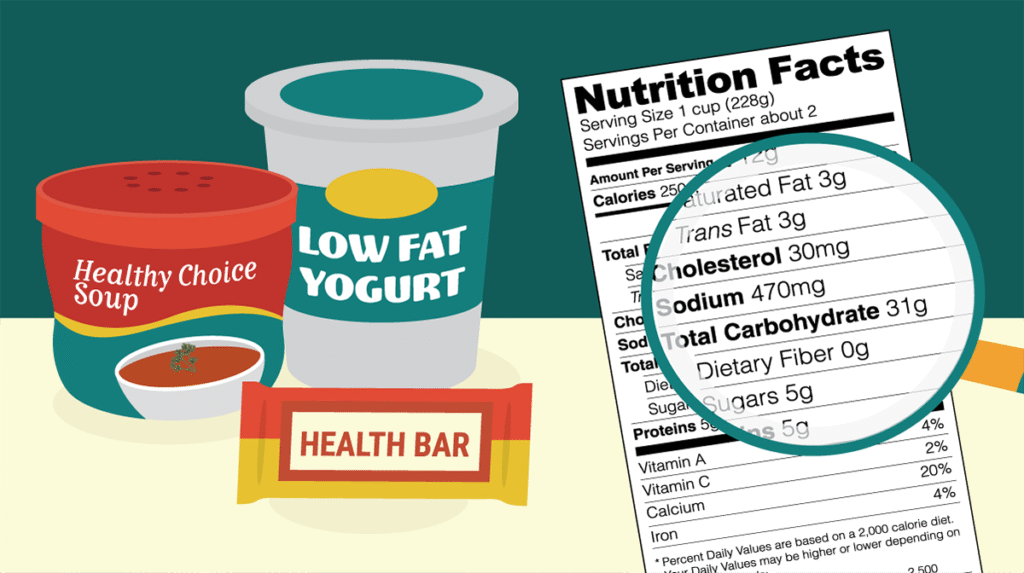
Organic and Natural Ingredients As consumers demand products with clean labels, we will likely see an increase in plant-based, organic, and minimally processed snacks. This shift reflects rising consumer interest in gut-friendly snack trends that avoid artificial additives.
Minimal Processing Preservation Traditional preparation methods preserve beneficial compounds better than heavy processing, making artisanal and small-batch products important in gut-friendly snack trends focused on maximum digestive benefit.
Transparent Sourcing Consumers increasingly want to know the origin of probiotic strains and prebiotic fibers, driving gut-friendly snack trends toward complete ingredient transparency and sourcing information.
Functional Ingredient Integration in Digestive Snacks
Advanced nutritional science has enabled the incorporation of targeted functional ingredients into modern snacks that provide specific digestive wellness benefits.
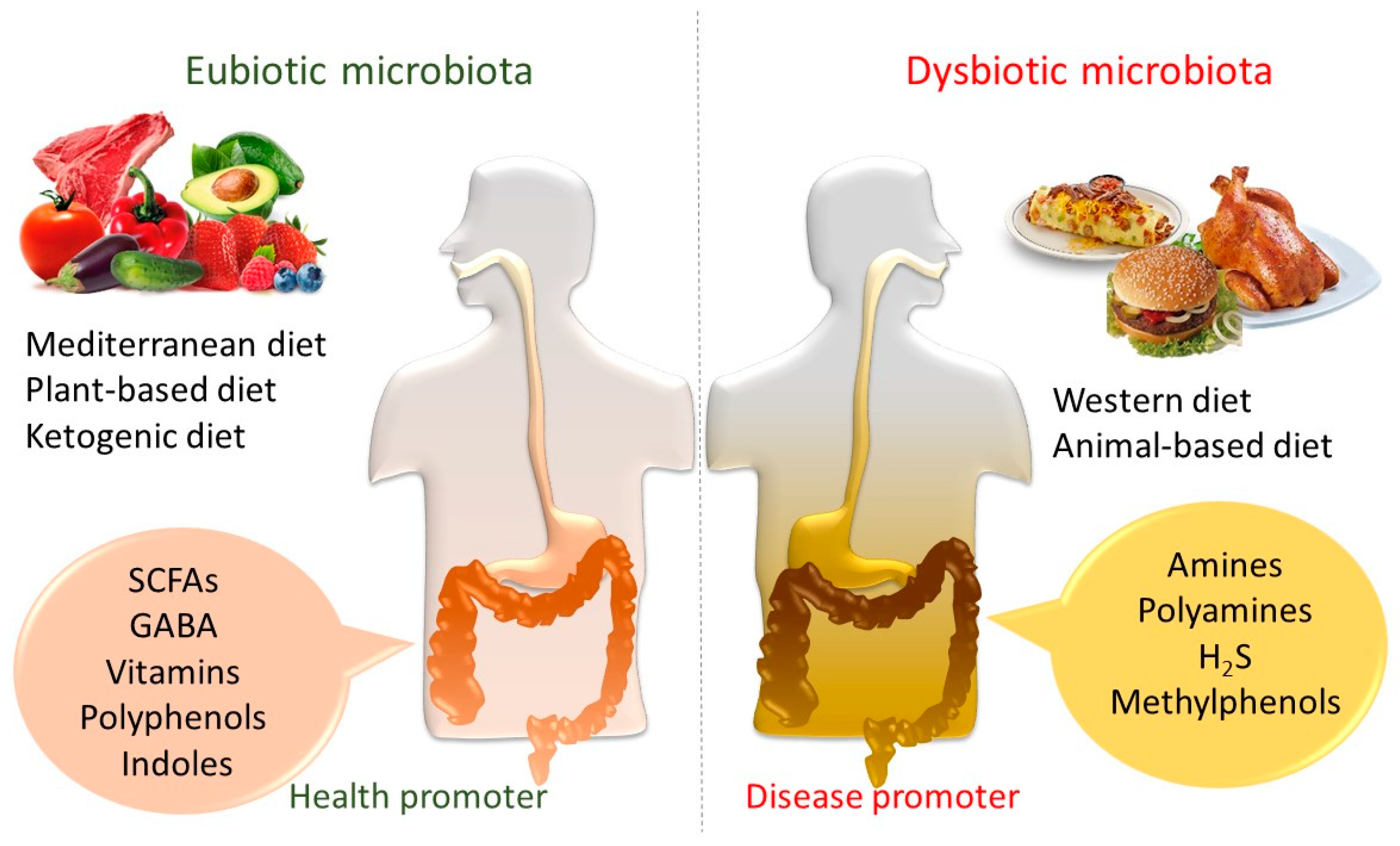
Polydextrose and Advanced Fibers
Use of polydextrose is growing as part of gut health innovations. It adds fiber, supports digestive balance, and also provides texture and sweetness in functional snack options.
Synbiotic Combinations
The most sophisticated products combine multiple probiotic strains with complementary prebiotic fibers, creating synbiotic effects that maximize overall digestive benefits.
Digestive Enzyme Integration
Some new snacks now include digestive enzymes alongside probiotics and prebiotics, offering comprehensive digestive support in convenient formats.
Seasonal and Fresh Gut-Friendly Snack Trends
Seasonal ingredients provide optimal nutritional profiles while supporting gut-friendly snack trends that emphasize freshness, locality, and peak nutritional content.
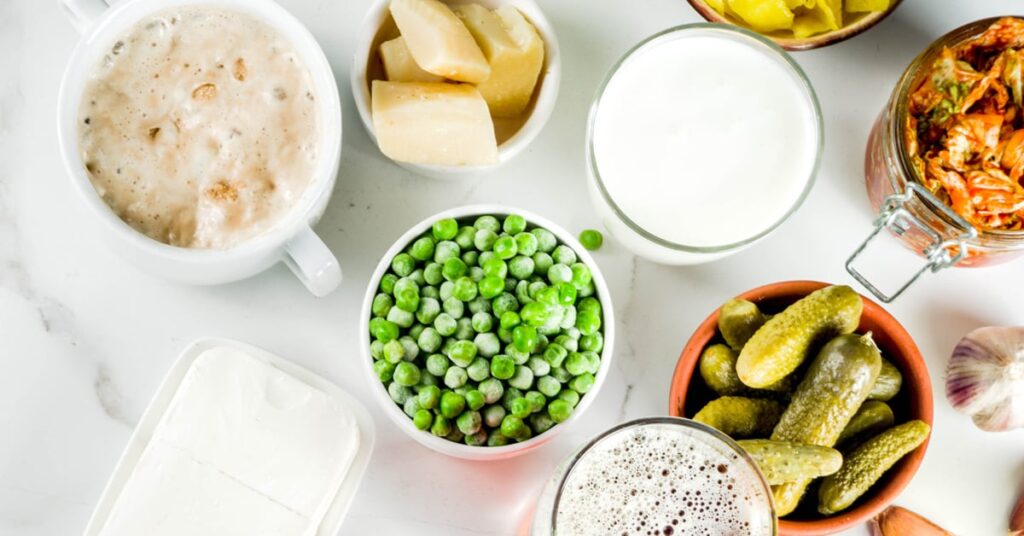
Seasonal Fermented Options Different seasons provide unique ingredients for fermentation, creating gut-friendly snack trends that celebrate seasonal flavors while providing consistent probiotic benefits throughout the year.
Fresh Probiotic Integration Refrigerated gut-friendly snack trends maintain higher probiotic viability compared to shelf-stable options, appealing to consumers prioritizing maximum digestive wellness benefits.
Local Microbiome Support Regional fermentation traditions contribute to gut-friendly snack trends that support local agriculture while providing culturally familiar flavors and proven digestive benefits.
Technology Advances in Digestive Wellness Snacks
Scientific innovation has enabled modern snacks to deliver previously impossible combinations of convenience, taste, and digestive health benefits.
Probiotic Stability Technology
Advanced encapsulation and stabilization techniques ensure probiotic viability throughout manufacturing, distribution, and storage, making these products more effective and reliable.
Personalized Nutrition Integration
Emerging solutions now incorporate personalized nutrition concepts, allowing consumers to select snacks based on individual microbiome testing and specific digestive needs.
Smart Packaging Solutions
Innovative packaging preserves probiotic viability while providing information about optimal consumption timing and storage, enhancing the effectiveness of these options.
Building Your Digestive-Friendly Snacking Strategy
Creating sustainable digestive wellness requires strategic selection based on individual needs, preferences, and lifestyle factors.
Microbiome Diversity Focus
The most effective approach involves rotating different probiotic sources and prebiotic fibers to support diverse beneficial bacteria populations.
Consistent Consumption Patterns
Regular intake provides more benefit than sporadic eating, making habit formation crucial for achieving optimal results.
Individual Response Monitoring
Tracking how different snacks affect digestion, energy levels, and overall wellbeing helps optimize personal selections for maximum benefit and enjoyment.

Frequently Asked Questions
What are the most popular healthy snack trends for 2025?
The most popular options include kombucha-infused chips, probiotic granola bars, and prebiotic chocolate representing innovative applications of digestive wellness ingredients. Fermented foods and beverages including pickles, sauerkraut, kimchi, miso, yogurt, aged cheese, and kombucha are also trending. Additionally, consumers are embracing plant-based, organic, and minimally processed snacks that support clean label preferences while providing digestive benefits.
How do fermented foods support gut health?
Fermented foods provide beneficial probiotics that have been associated with improved digestion, immunity, weight loss, and other health benefits. Naturally fermented foods help strengthen your gut biome — the bacteria and microorganisms in your digestive tract. Modern snack brands incorporate these ingredients through traditional methods and innovative applications that preserve probiotic viability while providing convenient formats.
What are prebiotics and how do they work?
Prebiotics are compounds that nourish probiotics in the gut, found in foods such as almonds, bananas, wholegrain wheat, corn, rye, barley, and flaxseeds. They are widely used in cereal bars to help replace sugar and fat while adding fiber and moisture. Inulin remains the top prebiotic in sports nutrition, followed by polydextrose, which supports gut health through targeted microbiome nourishment.
Are these snacks suitable for people with digestive sensitivities?
They can be beneficial, but individual responses vary. Foods rich in probiotics and prebiotic fibers are encouraged to help restore healthy gut microbiota, though some may experience initial adjustment periods. It’s recommended to start with small amounts of fermented or fiber-rich snacks, monitoring responses carefully. People with specific digestive conditions should consult healthcare providers before making major changes.
How can I incorporate them into my daily routine?
Start with familiar options like yogurt and gradually add kombucha, kefir, sauerkraut, and miso to daily meals. Begin with small servings to allow your digestive system to adjust, then increase variety and frequency. Consistency matters more than quantity, so regular intake provides more benefits than occasional consumption. Combining probiotic and prebiotic options throughout the day ensures optimal microbiome support.