Advertisement

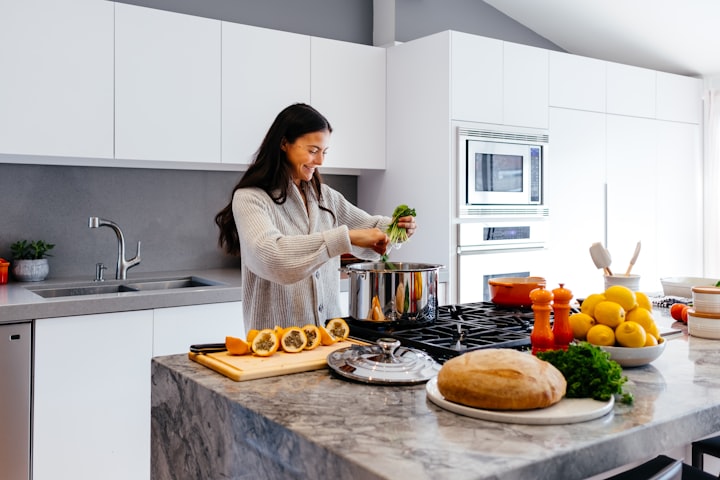
Learning to cook can feel overwhelming, but with the right guidance and essential cooking tips for beginners, anyone can develop confidence in the kitchen. Whether you’re starting your culinary journey in 2025 or looking to improve your existing skills, mastering fundamental techniques will transform your cooking experience from stressful to enjoyable. These proven cooking tips for beginners focus on building a solid foundation that will serve you throughout your entire culinary adventure.
Essential Knife Skills: The Foundation of All Cooking Tips for Beginners
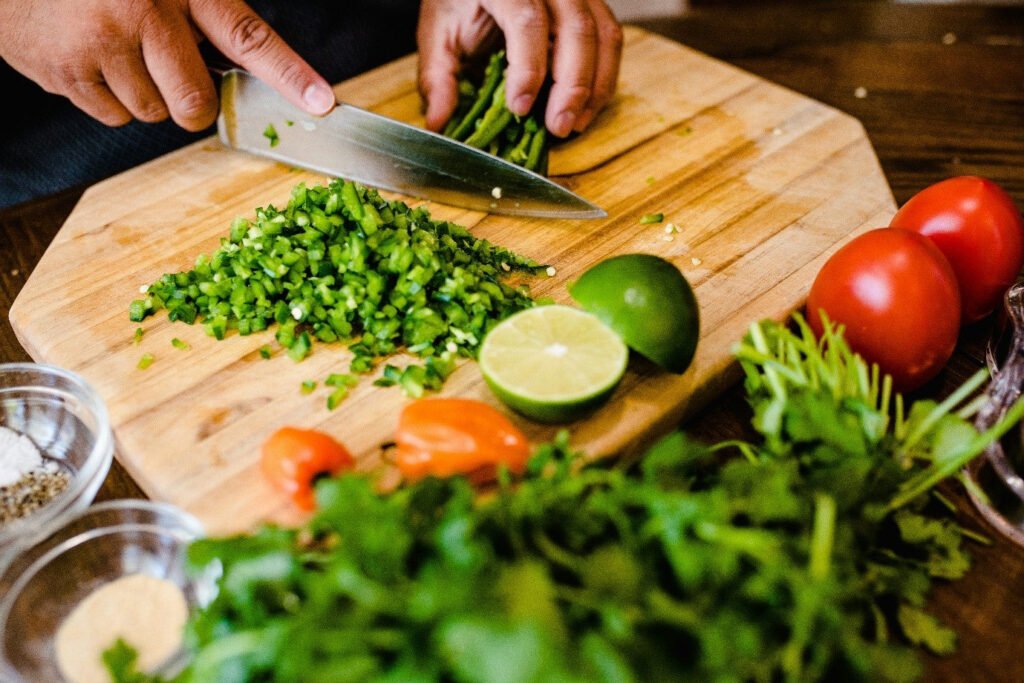
Proper knife technique ensures even cooking, as uniformly sized pieces cook at the same rate. Learn how to dice, julienne, mince, and chop vegetables efficiently. Mastering basic knife skills will make your cooking experience smoother and more enjoyable. Among all cooking tips for beginners, developing knife skills ranks as the most important fundamental skill to master.
Safe Knife Handling Techniques Always hold the knife with a firm grip and keep your fingers curled under to avoid any mishaps. Using a sharp knife is crucial as it requires less force and reduces the risk of slipping. Having a dull knife is 100x more dangerous than a sharp knife in the kitchen. These safety-focused cooking tips for beginners prevent accidents while building confidence.
Basic Cutting Techniques Pinch the blade of the knife just above the bolster with your thumb and forefinger, then wrap the other fingers around the handle. Professional chefs prefer this grip because it gives more control when chopping and mincing. Learning proper grip forms the basis of all advanced cutting techniques in cooking tips for beginners.
Creating Uniform Cuts Consistent sizing ensures even cooking across all ingredients, making this one of the most practical cooking tips for beginners. Practice basic cuts like dice, julienne, and chiffonade to build muscle memory and speed.
Reading Recipes: Critical Cooking Tips for Beginners
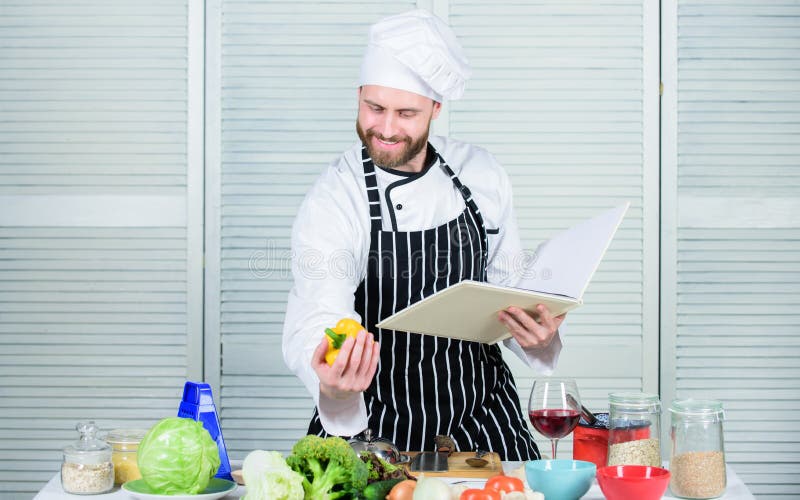
Always read through the entire recipe first before starting. This allows you to heat up the stove or oven to the right temperature and gather all of your ingredients in one place before you pick up a knife. This also lets you know if you’re missing something essential. This simple habit represents one of the most overlooked cooking tips for beginners.
Mise en Place Preparation Professional cooks rely on mise en place – having everything in its place before cooking begins. This organizational approach is among the most valuable cooking tips for beginners because it prevents rushed mistakes and ensures smooth cooking flow.
Understanding Cooking Times Recipes provide timing guidelines, but understanding how ingredients behave at different temperatures helps you adjust as needed. These adaptive cooking tips for beginners prevent overcooking and undercooking disasters.
Ingredient Substitution Knowledge Knowing which ingredients can be substituted and which cannot provides flexibility in cooking. These practical cooking tips for beginners help when specific ingredients aren’t available or when dietary restrictions require modifications.
Temperature Control: Essential Cooking Tips for Beginners
Understanding heat management separates successful cooks from frustrated beginners. Basic cooking methods like boiling, steaming, roasting, and sautéing are must-knows. These techniques are the building blocks for many dishes. Temperature control forms the foundation of these essential cooking tips for beginners.
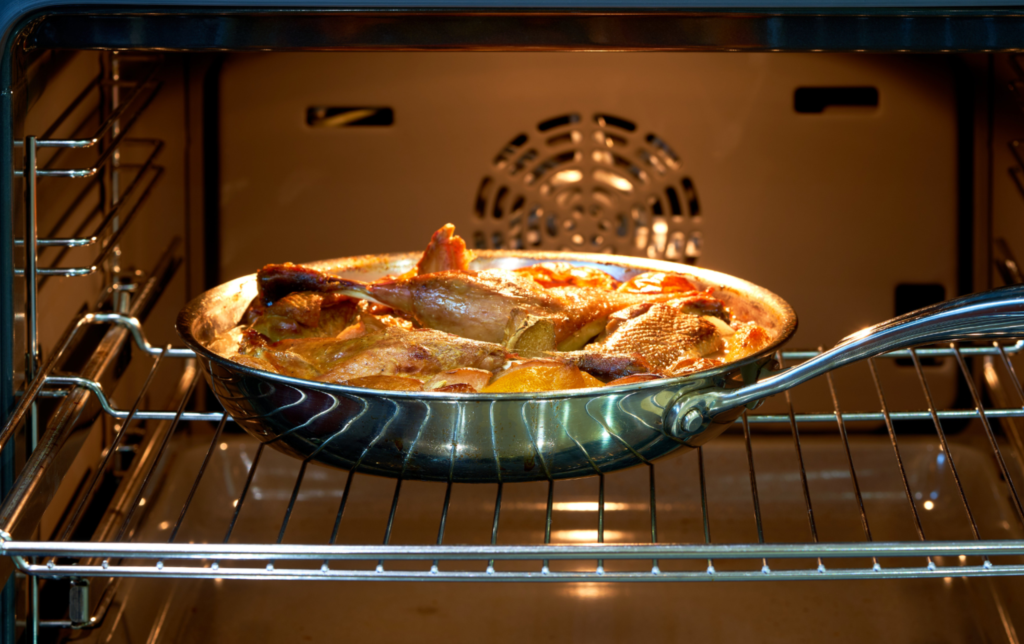
Heat Level Recognition Learning to identify low, medium, and high heat by sound, appearance, and timing helps execute recipes correctly. These sensory-based cooking tips for beginners develop intuition that recipes can’t fully convey.
Preheating Importance Proper preheating ensures even cooking from the moment food enters the pan or oven. This fundamental concept represents one of the most ignored cooking tips for beginners despite its critical importance.
Resting and Carryover Cooking Understanding that food continues cooking even after removing it from heat prevents overcooking. These timing-focused cooking tips for beginners help achieve perfect doneness consistently.
Seasoning Fundamentals: Game-Changing Cooking Tips for Beginners
Proper seasoning transforms bland food into delicious meals. Learn the cooking basics by mastering essential techniques, seasoning, and knife skills. Seasoning knowledge ranks among the most transformative cooking tips for beginners.
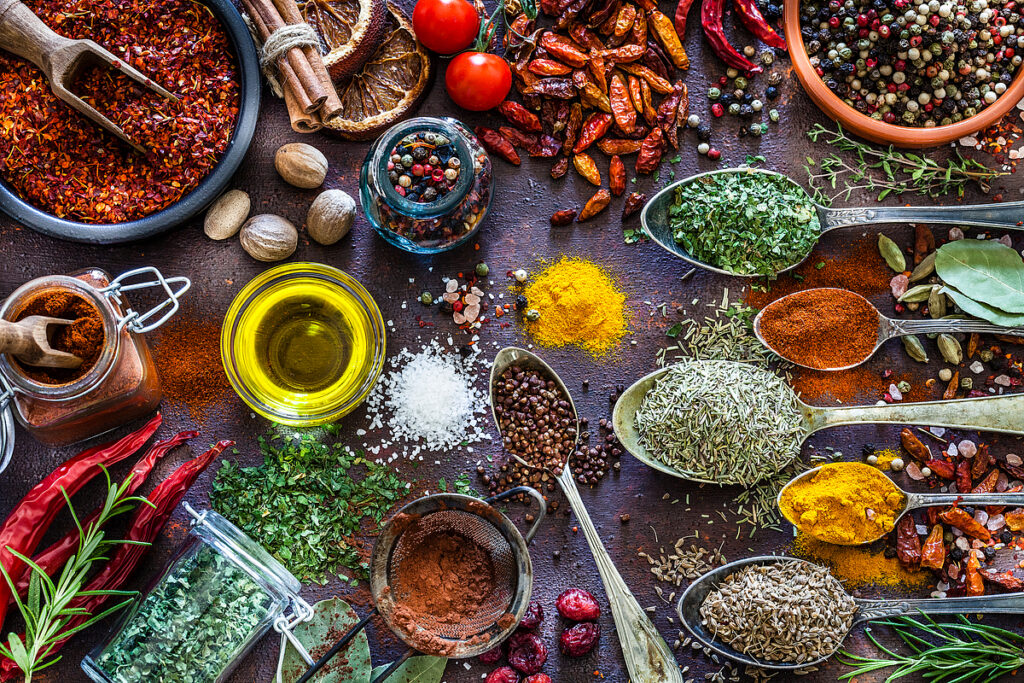
Salt Timing and Techniques Knowing when and how to salt food affects texture, flavor development, and moisture retention. These chemistry-based cooking tips for beginners explain why timing matters more than quantity.
Layering Flavors Building flavors throughout the cooking process rather than just at the end creates depth and complexity. These progressive cooking tips for beginners teach how professional chefs develop rich, nuanced tastes.
Acid and Fat Balance Understanding how acid brightens flavors and fat carries them helps create well-balanced dishes. These scientific cooking tips for beginners explain the principles behind delicious food.
Food Safety: Non-Negotiable Cooking Tips for Beginners
Always stack food with the highest internal cooking temperature on the bottom: Produce, Dairy & Ready to Eat Foods, Leftovers, Seafood, Raw Meats, Poultry & Eggs. Food safety represents the most important category of cooking tips for beginners because health depends on these practices.
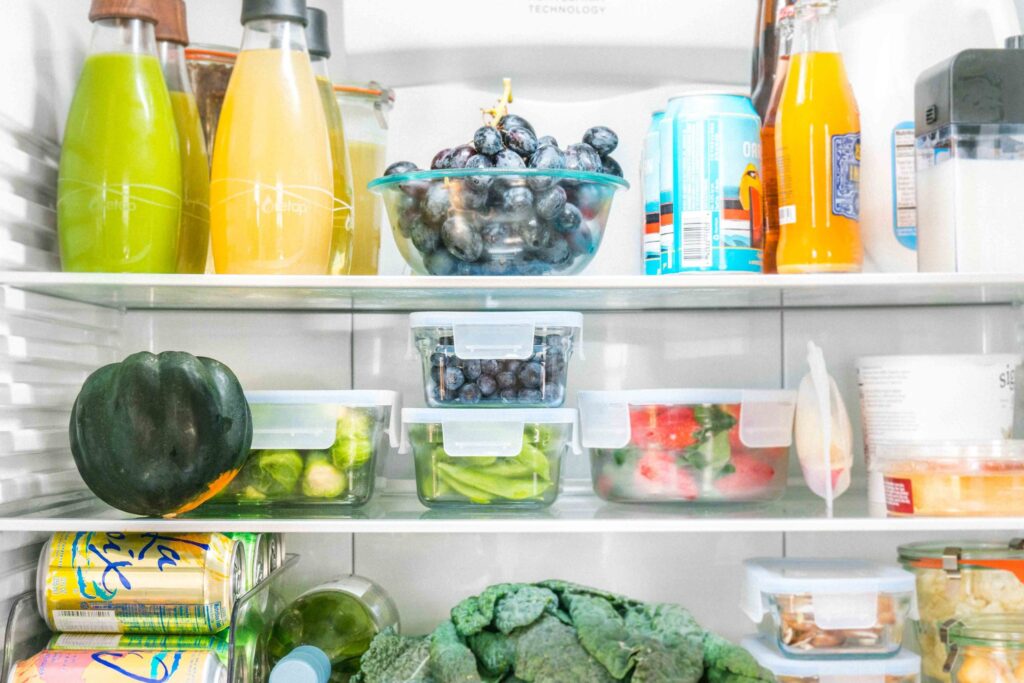
Proper Storage Techniques Understanding refrigerator organization prevents cross-contamination and extends food freshness. These health-focused cooking tips for beginners establish safe kitchen habits from the beginning.
Temperature Guidelines Knowing safe internal temperatures for different proteins prevents foodborne illness while ensuring proper doneness. These critical cooking tips for beginners should never be compromised for convenience.
Cleaning and Sanitation Regular hand washing, sanitized surfaces, and proper utensil handling prevent bacterial growth. These hygiene-based cooking tips for beginners create safe cooking environments.
Equipment Mastery: Practical Cooking Tips for Beginners
Understanding your tools enables better cooking results with any recipe. Quality equipment combined with proper technique forms the foundation of successful cooking tips for beginners.
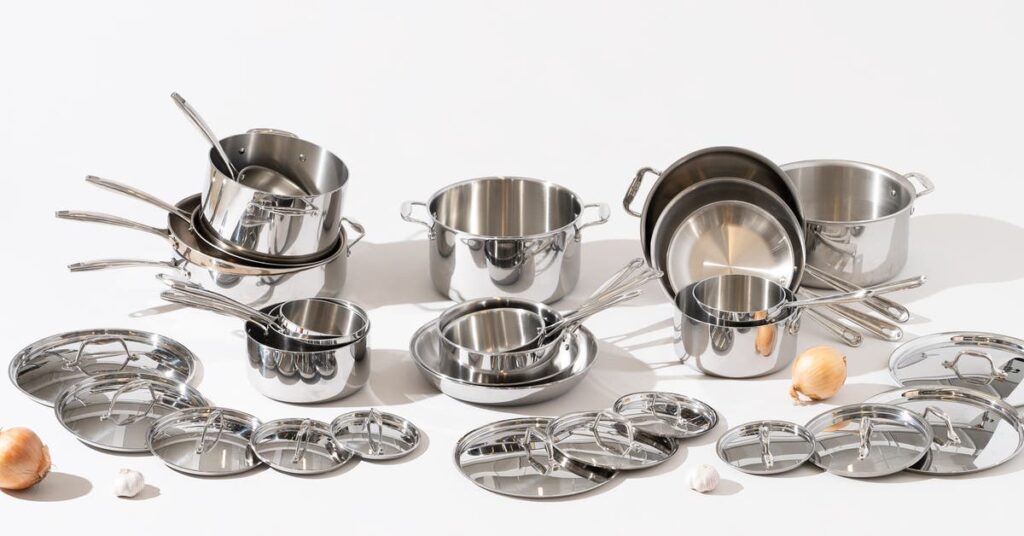
Pan Selection and Care Different pans serve different purposes, and knowing which to use for each cooking method prevents sticking, burning, and uneven cooking. These equipment-focused cooking tips for beginners maximize your cookware investment.
Heat Distribution Understanding Recognizing hot spots and even-heating areas in your cookware helps adjust cooking techniques accordingly. These adaptive cooking tips for beginners work with any kitchen setup.
Tool Maintenance Keeping knives sharp, pans seasoned, and equipment clean ensures consistent results. These maintenance-focused cooking tips for beginners extend equipment life while improving performance.
Flavor Development: Advanced Cooking Tips for Beginners
Building complex flavors doesn’t require complex techniques. Understanding flavor development principles provides the foundation for creating memorable meals using basic cooking tips for beginners.
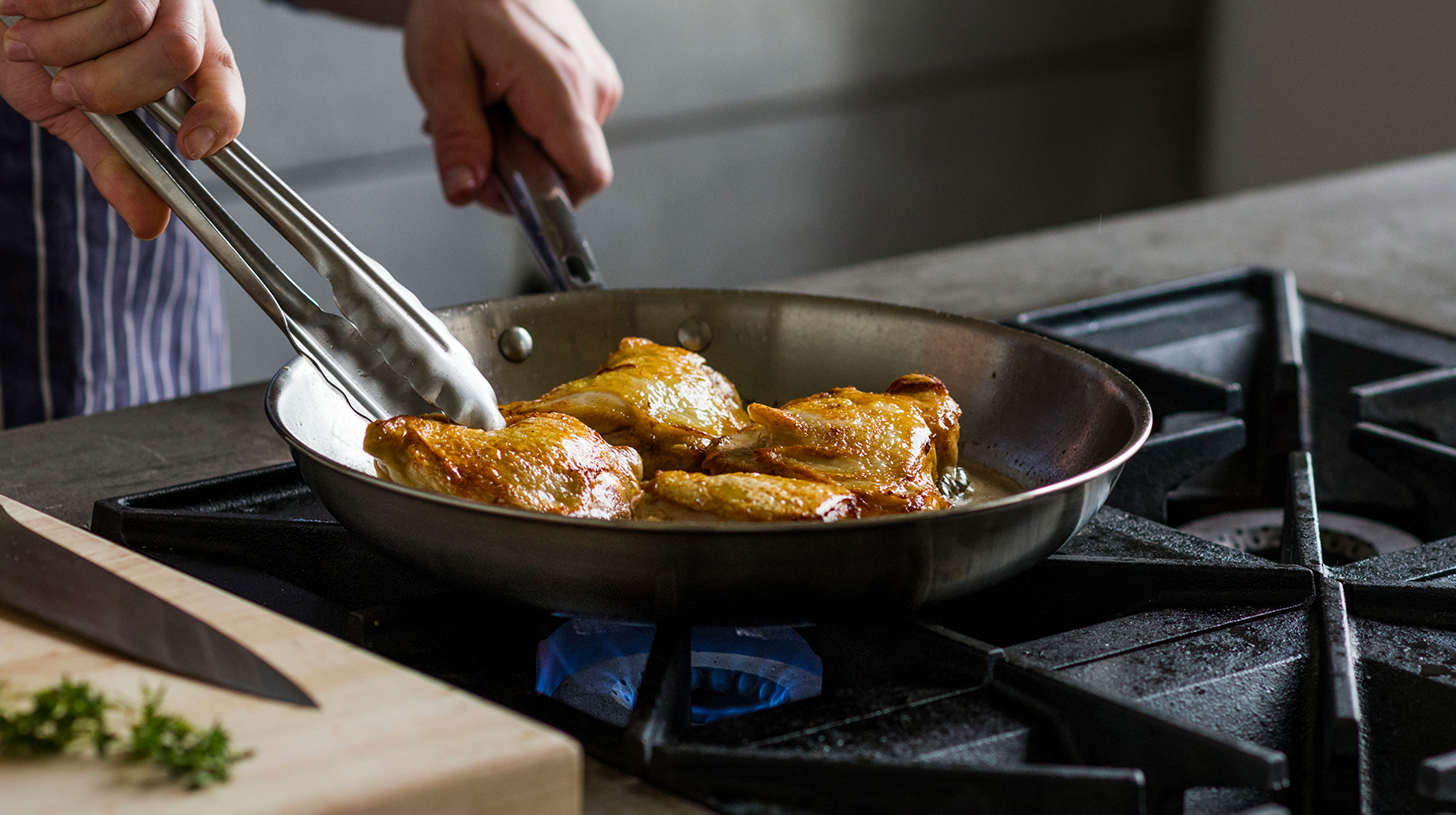
Browning and Caramelization The Maillard reaction creates deep, complex flavors in proteins and vegetables. These science-based cooking tips for beginners explain how to develop rich tastes through proper browning techniques.
Herb and Spice Usage Fresh versus dried herbs, whole versus ground spices, and timing of additions all affect final flavors. These aromatic cooking tips for beginners help build spice confidence and flavor intuition.
Deglazing and Fond Utilization Capturing browned bits from the pan bottom creates instant sauce bases and flavor enhancers. These restaurant-style cooking tips for beginners add professional touches to home cooking.
Time Management: Efficient Cooking Tips for Beginners
Start with simple recipes. Choose dishes with minimal ingredients and straightforward techniques, like scrambled eggs, pasta, or a basic stir-fry. Strategic recipe selection represents smart time management among cooking tips for beginners.
Prep Work Organization Completing all chopping, measuring, and preparation before cooking prevents burned food and forgotten ingredients. These organizational cooking tips for beginners create smooth cooking flow.
Multitasking Safely Learning which tasks can be combined and which require full attention prevents accidents while improving efficiency. These safety-conscious cooking tips for beginners balance speed with security.
Cleanup Integration Washing dishes and cleaning surfaces during natural pauses in cooking prevents overwhelming cleanup afterward. These practical cooking tips for beginners make cooking more enjoyable overall.
Simple Recipes to Practice: Beginner-Friendly Ideas
Starting with manageable recipes builds confidence while allowing new cooks to practice fundamental techniques. These progressive steps create a logical learning path that makes cooking less intimidating.
One-Pot Meals
Dishes prepared entirely in a single pot minimize cleanup while teaching flavor development, timing, and temperature control. This convenient method builds essential skills without overwhelming complexity.
Basic Egg Techniques
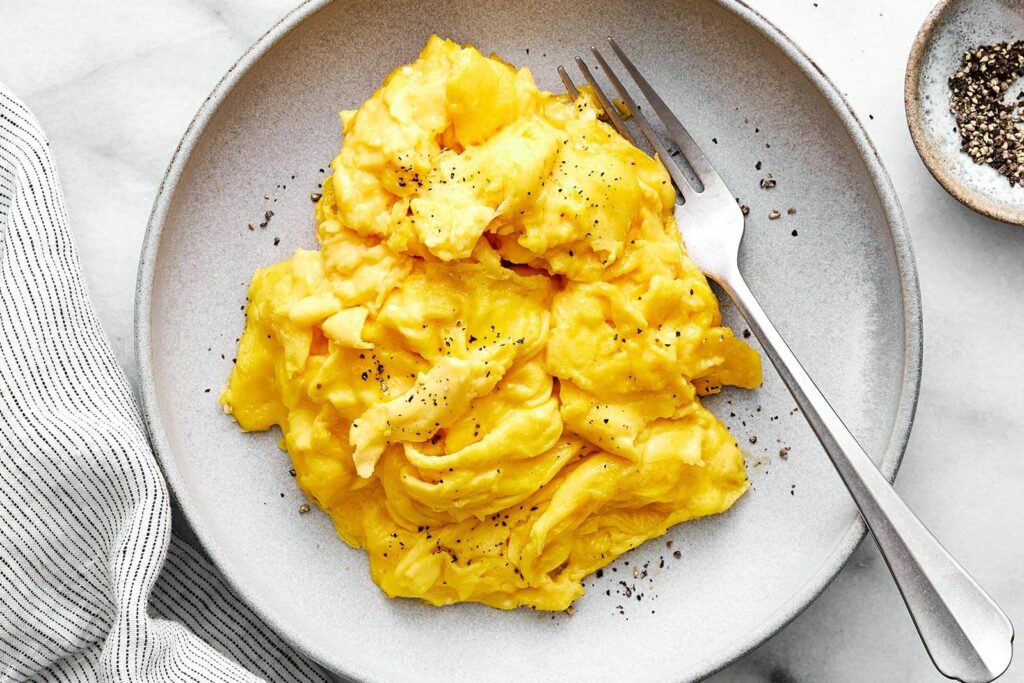
Scrambled, fried, and poached eggs help learners understand heat management, timing, and texture. These quick recipes provide immediate feedback and boost confidence.
Simple Pasta Dishes
Cooking pasta teaches the basics of timing, seasoning, and sauce integration in a forgiving format. These carbohydrate-based meals are versatile and perfect for practicing key kitchen skills.
Building Confidence: Motivational Guidance for New Cooks
Spending time in the kitchen offers numerous benefits, from better understanding of food to developing healthy habits and learning how different ingredients work. Building confidence is just as important as technical ability, representing the psychological side of cooking.
Embracing Mistakes
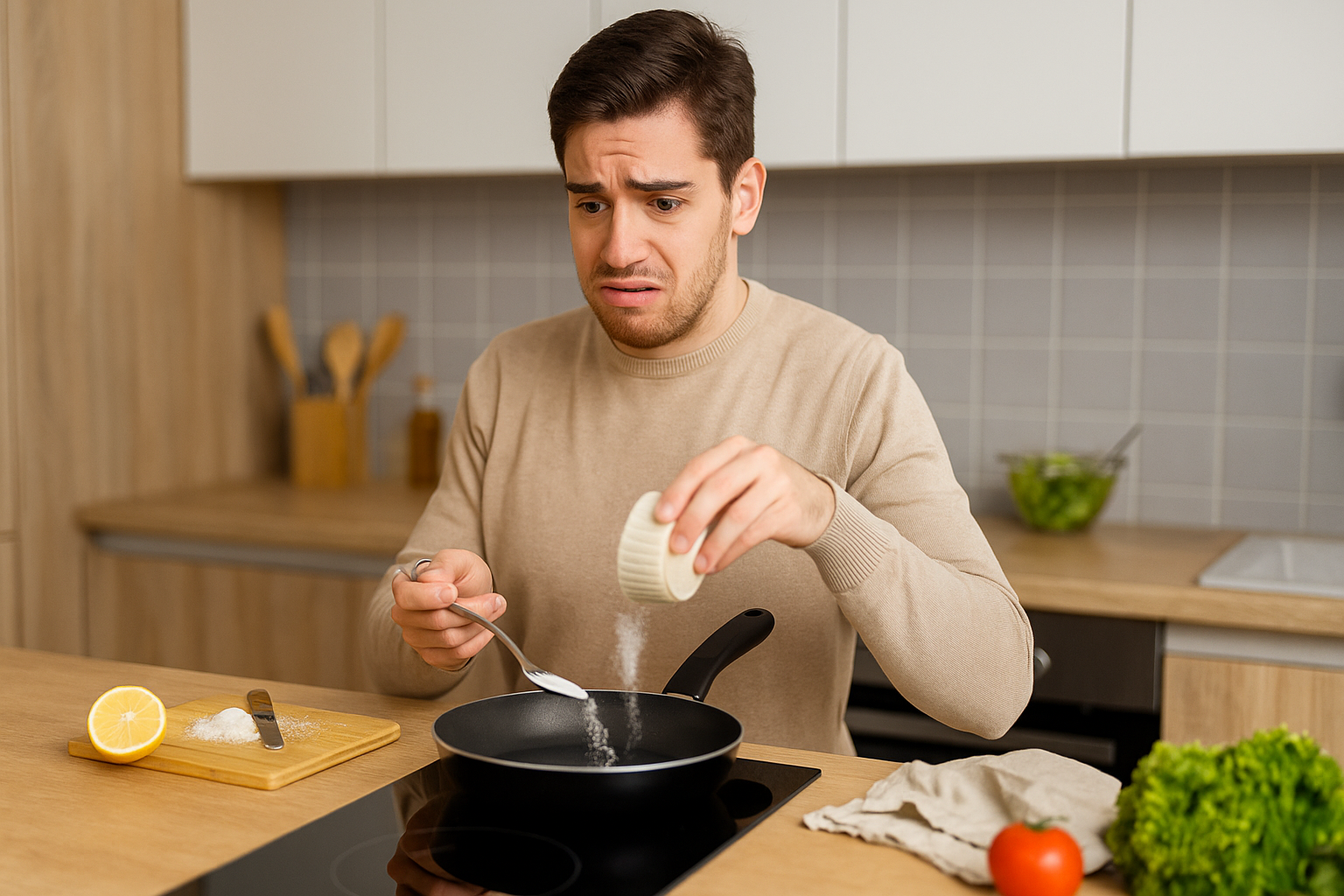
Every cook burns food, oversalts dishes, or creates disasters. The key is to learn from failures rather than avoid challenges, as this accelerates skill development and resilience.
Starting Small
Begin with simple skills and techniques that make everyday meals more enjoyable. Gradual progression prevents overwhelm while creating a strong foundation to build upon.
Celebrating Progress
Recognizing improvements in speed, flavor, and technique helps maintain motivation. This encouragement-focused approach ensures steady growth and long-term confidence in the kitchen.
Storage and Leftover Management: Practical Cooking Tips for Beginners
Proper food storage extends ingredient life and reduces waste while providing ready-made meal components. These economical cooking tips for beginners maximize grocery budgets.
Refrigerator Organization Strategic placement maintains food safety while maximizing freshness and visibility. These organizational cooking tips for beginners prevent waste and support meal planning.
Freezer Utilization Understanding which foods freeze well and proper freezing techniques provides meal backup options. These preparedness-focused cooking tips for beginners create kitchen security.
Leftover Transformation Converting leftovers into new meals prevents food waste while practicing creativity. These resourceful cooking tips for beginners develop flexibility and innovation.
Looking for more kitchen wisdom?
If you’d like to explore even more clever techniques, time-saving hacks, and expert advice beyond these beginner tips, check out our full collection of cooking tips and lifehacks.
Frequently Asked Questions
What are the most important skills to learn first?
The most crucial basics focus on safety and fundamentals: proper knife handling and basic cuts, reading recipes completely before starting, understanding food safety and storage, and mastering methods like sautéing and roasting. Simple techniques such as boiling, steaming, and baking are the building blocks for many dishes. Start with these foundation skills before progressing to more complex ones.
How can beginners practice knife skills safely?
Developing knife skills safely requires proper grip, sharp blades, and consistent practice. Always hold the knife with a firm grip and keep your fingers curled under to avoid mishaps. A sharp knife is safer because it requires less force and reduces the risk of slipping, while dull blades are far more dangerous. Practice with softer vegetables like onions or potatoes before moving to harder produce, and always cut away from your body.
What equipment is essential for starting out?
The must-haves include a sharp chef’s knife, cutting board, basic pots and pans (at least one saucepan and one skillet), measuring cups and spoons, plus wooden spoons for stirring. Learn which knife is suited for each task and how to sharpen it properly. A few quality basics will serve you better than numerous specialty gadgets when starting your cooking journey.
How do you know when food is properly cooked?
Recognizing doneness combines visual cues, internal temperatures, and timing. For proteins, use a meat thermometer until you gain experience reading visual signs. Vegetables should be tender but retain slight firmness unless specified otherwise. Keeping pieces uniformly sized ensures even cooking throughout the dish.
What are the biggest mistakes beginners make?
Typical errors include not reading recipes fully, using dull knives, overcrowding pans, skipping preheating, and poor seasoning (too much or too little). Always review the recipe first, gather ingredients, and heat equipment to the right temperature. Good preparation and patience are key to avoiding these pitfalls and building confidence in the kitchen.